
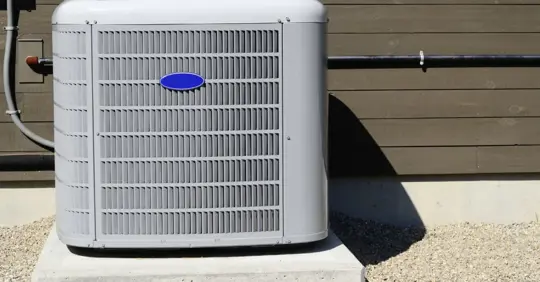
Texas summers bring long stretches of extreme heat, especially in areas like Fort Worth. When temperatures stay high for days or weeks, your home’s cooling system has to work much harder than usual. This extra strain can affect performance, comfort, and energy use.
In simple terms, your HVAC system is like a long-distance runner—it can handle heat, but constant overworking can slow it down over time.
If your home is struggling to stay cool during a heat wave, don’t wait for the system to break down fully. Schedule service early through this contact page or call (817) 616-6999 to avoid potential issues.
Why Heat Waves Put Extra Stress on HVAC Systems
During a Texas heat wave, outdoor temperatures can stay very high even at night. This means your AC system rarely gets a break.
Here’s what happens inside your system during extreme heat:
- The unit runs longer cycles to keep up with demand
- Outdoor components stay hot, reducing efficiency
- Air has to be cooled more aggressively before entering your home
When this continues for several days, components such as the compressor and fan motors can become overworked. Think of it like driving a car nonstop in stop-and-go traffic—it still runs, but it uses more fuel and wears down faster.
Common Signs Your HVAC Is Struggling in Hot Weather
It’s important to recognize early warning signs before small issues become bigger repairs. During heat waves, watch for:
Uneven Cooling
Some rooms may feel warmer than others, even when the AC is running constantly.
Longer Cooling Times
Your system may take much longer to lower indoor temperatures.
Weak Airflow
Air coming from vents may feel lighter or less powerful than usual.
Higher Energy Bills
A sudden spike in electricity costs can indicate your system is working harder than normal.
These signs don’t always mean a major failure, but they do suggest your system may need attention.
How Heat Affects Energy Use and Comfort
When your HVAC system works harder, it naturally uses more energy. This can lead to:
- Higher monthly utility bills
- More frequent cycling on and off
- Reduced indoor comfort during peak afternoon hours
A well-maintained system handles heat more efficiently. That’s why routine care, such as filter changes and seasonal inspections, plays a big role in maintaining steady performance.
For homeowners looking to learn more about system care and maintenance, you can explore available HVAC services in Fort Worth for helpful information.
Simple Ways to Reduce HVAC Strain During Heat Waves
There are a few practical steps homeowners can take to help their system work more efficiently during extreme temperatures:
- Keep blinds or curtains closed during peak sun hours
- Set your thermostat to a consistent temperature instead of frequent adjustments
- Replace air filters every 1–3 months
- Avoid using heat-generating appliances during the afternoon when possible
Even small changes can reduce stress on your HVAC system and help maintain indoor comfort.
Why Preventive Maintenance Matters in Texas Summers
Heat waves are not just uncomfortable—they’re demanding on mechanical systems. Preventive maintenance helps identify issues before they turn into breakdowns.
During a maintenance visit, technicians often check:
- Refrigerant levels (the cooling fluid in your system)
- Airflow and duct performance
- Electrical connections and safety components
- Overall system cleanliness
This type of care helps your system stay prepared for the most intense weather periods.
Staying Ahead of the Heat
Texas heat waves are predictable, but HVAC problems don’t have to be. Paying attention to early warning signs and keeping up with regular maintenance can help reduce unexpected disruptions.
If your system is showing signs of strain or you want to prepare for upcoming hot weather, reach out to North Tarrant Heat & Air. Schedule service through the contact page or call (817) 616-6999 for assistance.